
Roof Replacement Cost and Budget Tips

Replacing a roof is a major investment. It protects your property and adds value. Knowing the roof replacement cost helps you plan your budget. I will guide you through the key factors affecting costs and share practical tips to save money. This post focuses on clear, direct advice for anyone facing a roof replacement.
Understanding Roof Replacement Cost
Roof replacement cost varies widely. It depends on materials, labor, roof size, and complexity. Asphalt shingles are common and affordable. Metal, tile, or slate roofs cost more but last longer. Labor rates differ by region and contractor.
Expect to pay between $5,000 and $15,000 for a typical asphalt shingle roof on a standard home. Larger or more complex roofs can cost $20,000 or more. Always get multiple quotes to compare prices.
Here are the main cost factors:
Roof size: Measured in squares (1 square = 100 sq ft). Larger roofs cost more.
Material type: Asphalt is cheapest; metal, tile, and slate are pricier.
Roof pitch: Steeper roofs require more labor and safety measures.
Tear-off: Removing old roofing adds to labor and disposal fees.
Permits and inspections: Local regulations may require permits.
Additional repairs: Damaged decking or flashing increases costs.
To get a clear estimate, measure your roof and decide on materials. Then, request detailed quotes from licensed contractors.
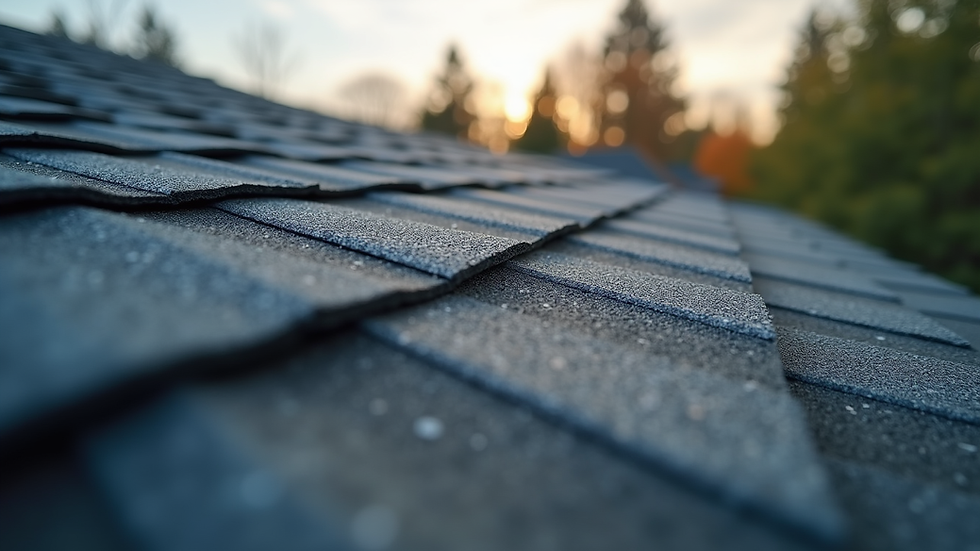
If you want to know how much to replace a roof, use online calculators or contact local experts. They can provide tailored estimates based on your property.
How to Budget for Roof Replacement Cost
Budgeting for a roof replacement requires planning. Start by setting aside a contingency fund of 10-20% above the estimated cost. This covers unexpected issues like rotten wood or weather delays.
Follow these steps to budget effectively:
Assess your roof condition: Identify if full replacement is necessary or if repairs suffice.
Choose materials wisely: Balance cost with durability and lifespan.
Get multiple quotes: Compare prices and services from at least three contractors.
Check financing options: Some companies offer payment plans or loans.
Plan for timing: Off-season work may be cheaper.
Prepare for insurance claims: If damage is storm-related, document everything for your insurer.
Keep your budget realistic. Cutting corners on materials or labor can lead to costly repairs later. Invest in quality work to protect your home long-term.
What is the 25% Rule in Roofing?
The 25% rule helps decide if you should repair or replace your roof. It states that if damage affects more than 25% of your roof, replacement is usually the better option.
Why? Because extensive damage compromises the roof’s integrity. Repairs may only be temporary and more expensive over time.
Use this rule as a guideline:
If damage covers less than 25%, repair the affected areas.
If damage covers more than 25%, plan for a full replacement.
This rule saves money and prevents future problems. Always get a professional inspection to assess damage accurately.
Tips to Save Money on Roof Replacement
Saving money on roof replacement is possible without sacrificing quality. Here are practical tips:
Choose durable materials: They last longer and reduce future costs.
Schedule work in the off-season: Contractors may offer discounts.
Bundle services: Combine roof replacement with gutter or siding work for package deals.
Maintain your roof: Regular cleaning and inspections extend its life.
Negotiate with contractors: Ask for discounts or price matching.
Use local contractors: They know regional codes and weather challenges.
Check for rebates: Some materials qualify for energy efficiency incentives.
Avoid the cheapest bids. Low prices often mean poor workmanship or subpar materials. Invest wisely to protect your property.

Preparing for Your Roof Replacement Project
Preparation is key to a smooth roof replacement. Here’s what to do before work begins:
Clear the area: Remove vehicles, outdoor furniture, and fragile items.
Inform neighbors: Let them know about noise and debris.
Review contract details: Confirm scope, timeline, and payment terms.
Arrange for pets and children: Keep them safe and away from the work zone.
Plan for cleanup: Ensure the contractor will remove debris.
Document your roof’s condition: Take photos for insurance or warranty purposes.
Good preparation minimizes delays and stress. Stay in communication with your contractor throughout the project.
Final Thoughts on Roof Replacement Cost and Budgeting
Roof replacement is a significant expense but essential for property protection. Understanding the roof replacement cost and budgeting carefully helps you avoid surprises. Use the 25% rule to decide between repair and replacement. Save money by choosing quality materials, timing your project, and negotiating smartly.
Plan ahead, get multiple quotes, and prepare your property for the work. This approach ensures a successful roof replacement that adds value and security to your home or business.
Take control of your roofing project today. A well-planned roof replacement protects your investment for years to come.


Comments